Story
Riptide, the one I made with my daughter
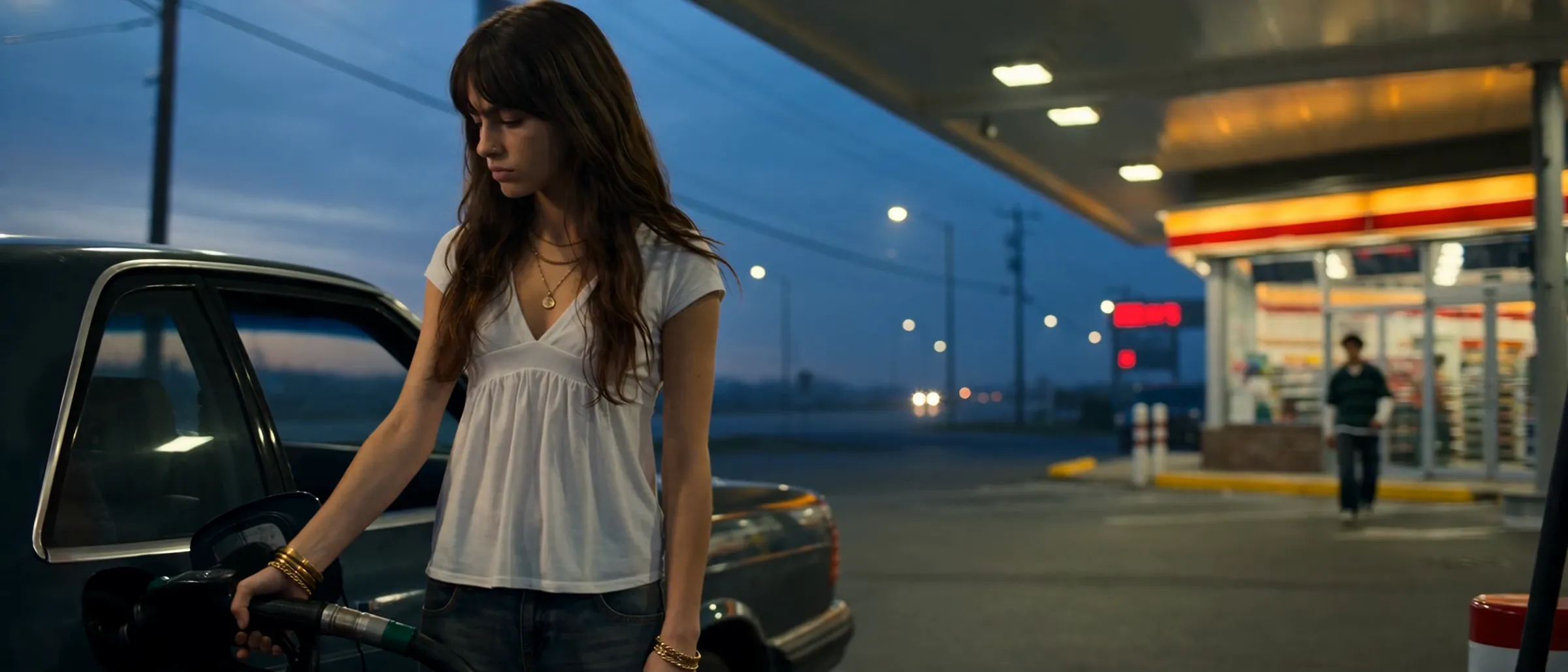
One day Alia was telling me about a dream she’d had. It was surreal, disjointed, fascinating, and the whole time she was describing it, all I could think was: this would make a great movie. So I pitched her the idea of turning her dream into a film, and she was in.
I should probably explain why a dream lit me up like that. Making movies has been in me since I was a kid. Back in the 80s, when I was 12, I’d turn my bedroom into a studio set (the bridge of a spaceship, usually) and my friends and I would shoot on my dad’s old Betamovie camera. I edited the footage on two Betamax VCRs, one to play and one to record. It never left me. In the 2010s I was making home movies of my family, and I always shot and cut them like they were short films or music videos. I self-studied cinematography and used it every chance I got. So when AI came along with all these new toolsets, I dabbled, and by 2026 I could tell the tools were finally capable enough to apply everything I’d learned about filmmaking through them.
The dream itself was a mess in the best way. The protagonist kept slipping through portals, one place to the next, one time to the next, one universe to the next, disoriented and confused, while her boyfriend stayed completely normal, acting like nothing was out of place. It kept getting weirder, and she couldn’t tell anymore when she was back in her own reality and when she wasn’t.
We spent a few weeks, on and off, writing it all down. And pretty quickly we realized there was no way to turn the actual dream into something cohesive. So we made a call: instead of adapting it, we’d make something inspired by it. Still a psychological thriller, still Jackie and her boyfriend Elias, but a real story, with motives and personalities we actually mapped out. That part took us a few days, here and there.
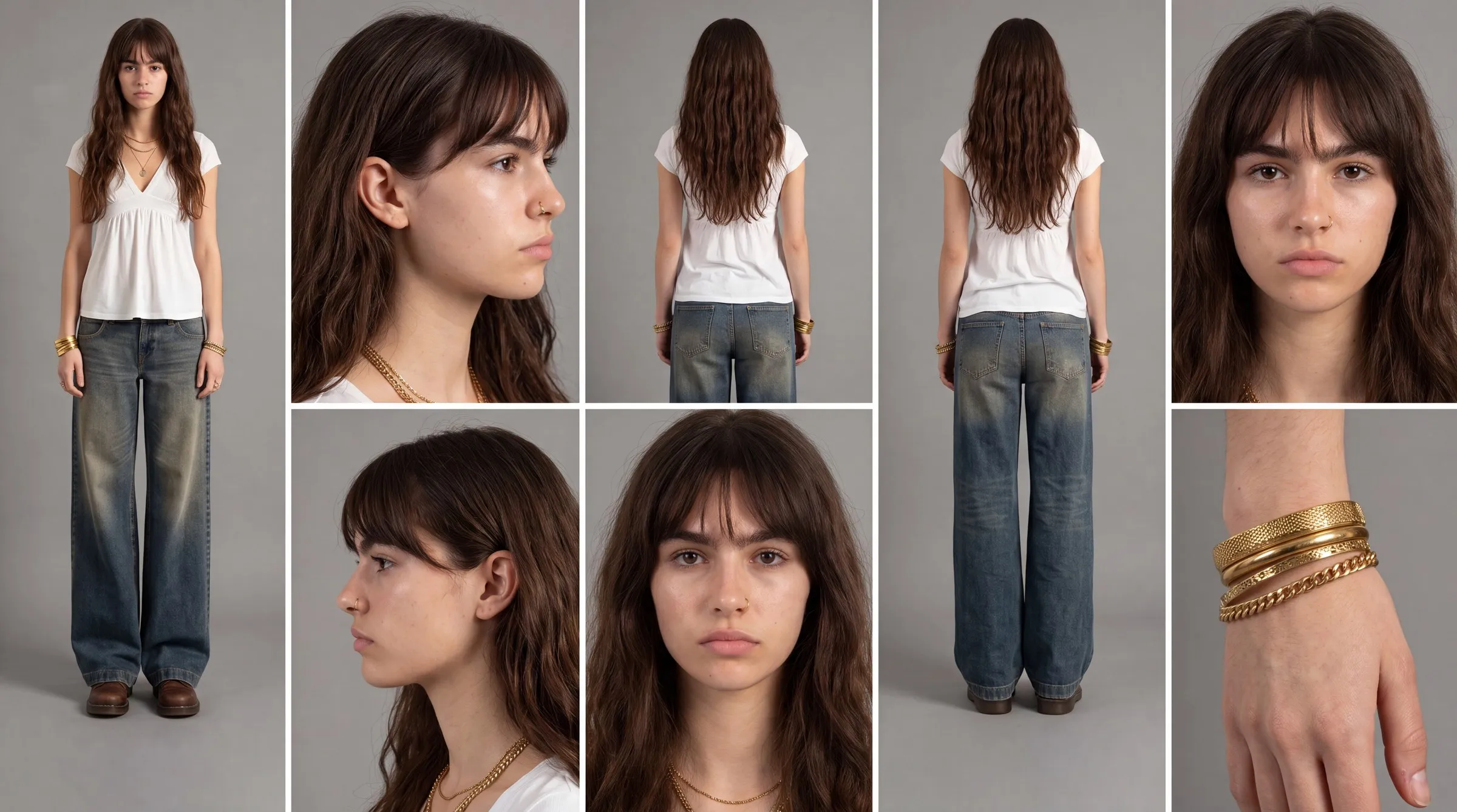
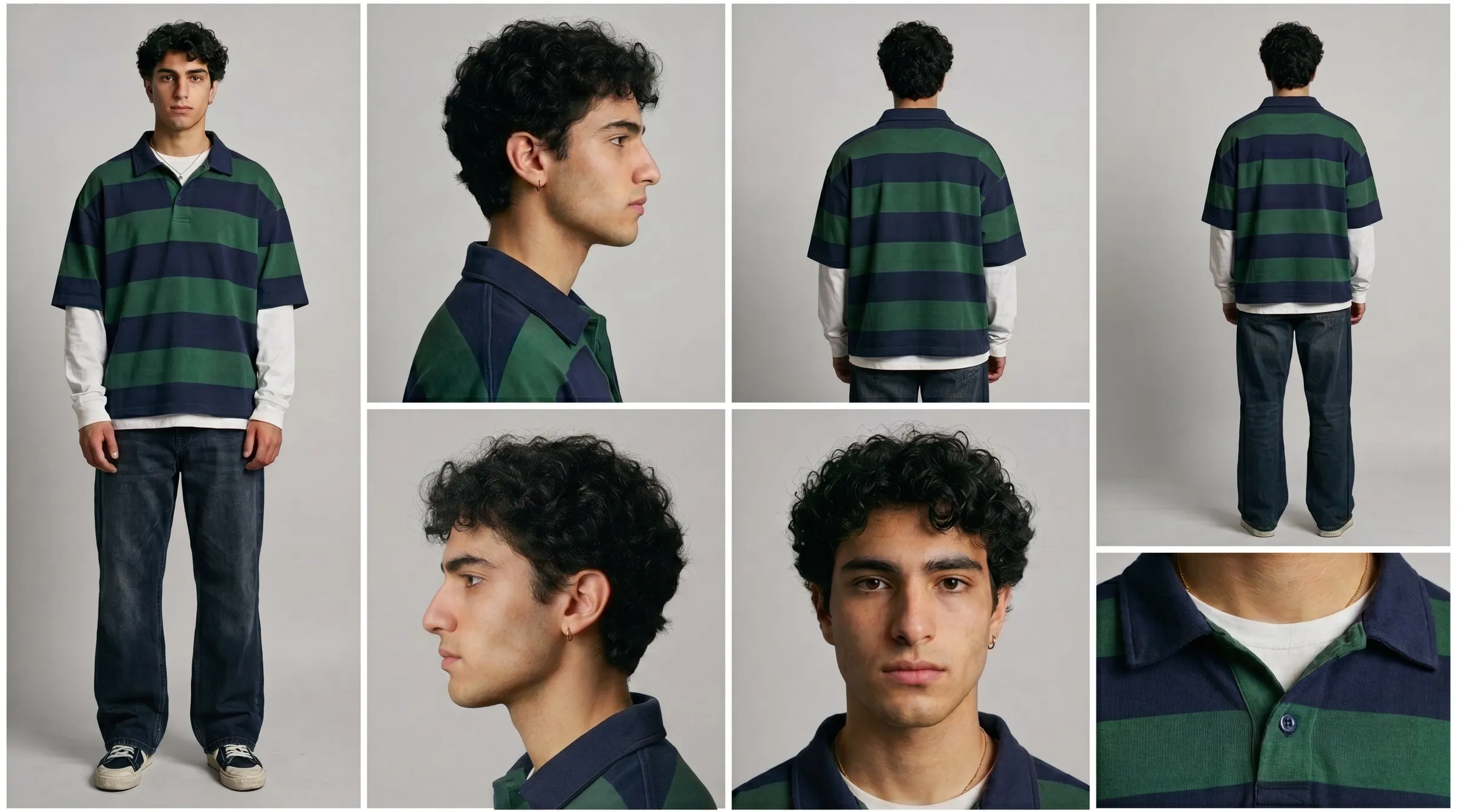
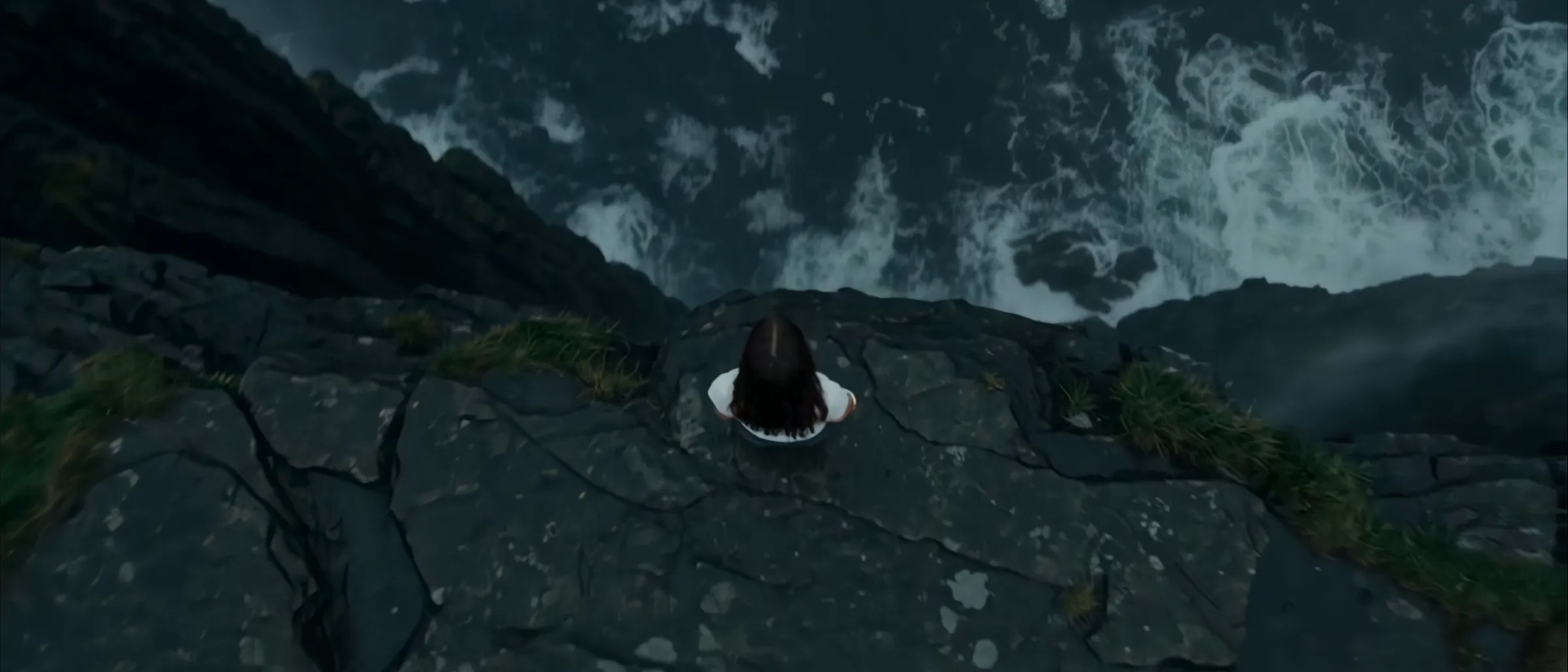
Things really clicked when we started designing the characters. Alia had a crystal-clear picture of who Jackie was: 17, half white half South Asian, long wavy dark brown hair down to her lower back, full bangs, a tiny gold hoop in her nose, that resting face with a slight sadness in it. We iterated until we landed on someone we both loved. Then came the clothes, which took way longer. We went down a whole rabbit hole: baggy low-rise thrifted jeans, a vintage men’s Carhartt jacket, chunky gold jewelry, brown Doc Martens, even a shoulder bag. Almost none of it survived. In the end we stripped her back to a white top, normal jeans, and the brown boots. Elias was easy by comparison: half Southern European, half Middle Eastern, curly hair, dressed like a ’90s teenager.
I want to be clear about something, because it’s the part I care about most. This was never me teaching my kid or leading her through a project. Alia is 17 and genuinely, consistently creative, and I knew that going in. Honestly, part of why I wanted to do this at all was that it’d be a great excuse to hang out with her, but the other part was that her input would actually matter to the thing we were making. Both of those turned out true. The goldilocks zone. :)
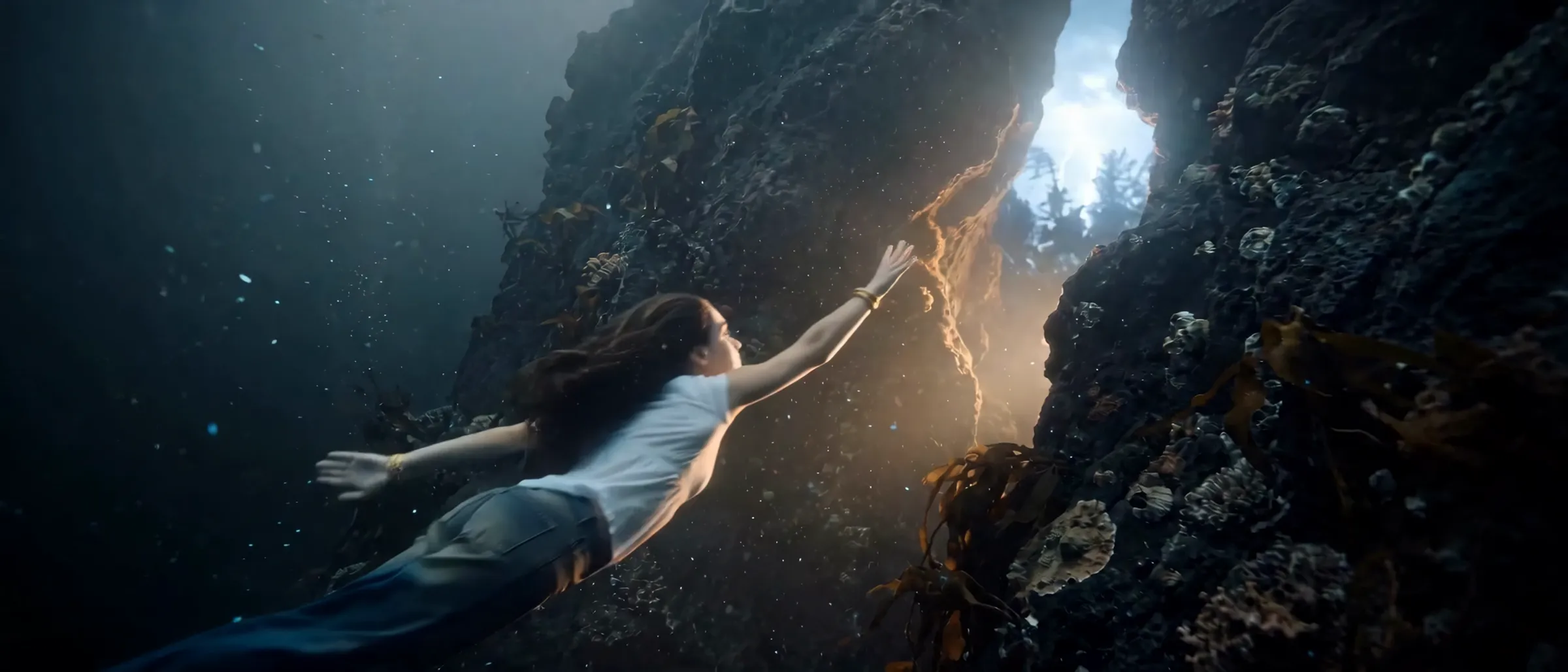
Once we had the characters, we started building the scenes. Somewhere in there the shape of it changed. We’d started out thinking short film, but the more we worked it, the more it wanted to be a feature trailer instead. So we leaned into mystery and intrigue, kept just enough coherence to hold it together, and made a point of not letting the audience simply watch Jackie be confused. We wanted them stuck inside her confusion with her. Then we planned every scene in obsessive detail: the blocking, the camera moves, the cuts, the dialogue, sometimes even the facial expressions. And then we’d direct it. We’d tell the actors how to act, tell the cameraman where to move, what lens to put on, what camera it was. We used AI to generate the video to those exact specifications, and watching our very specific direction get built in front of us was exhilarating.
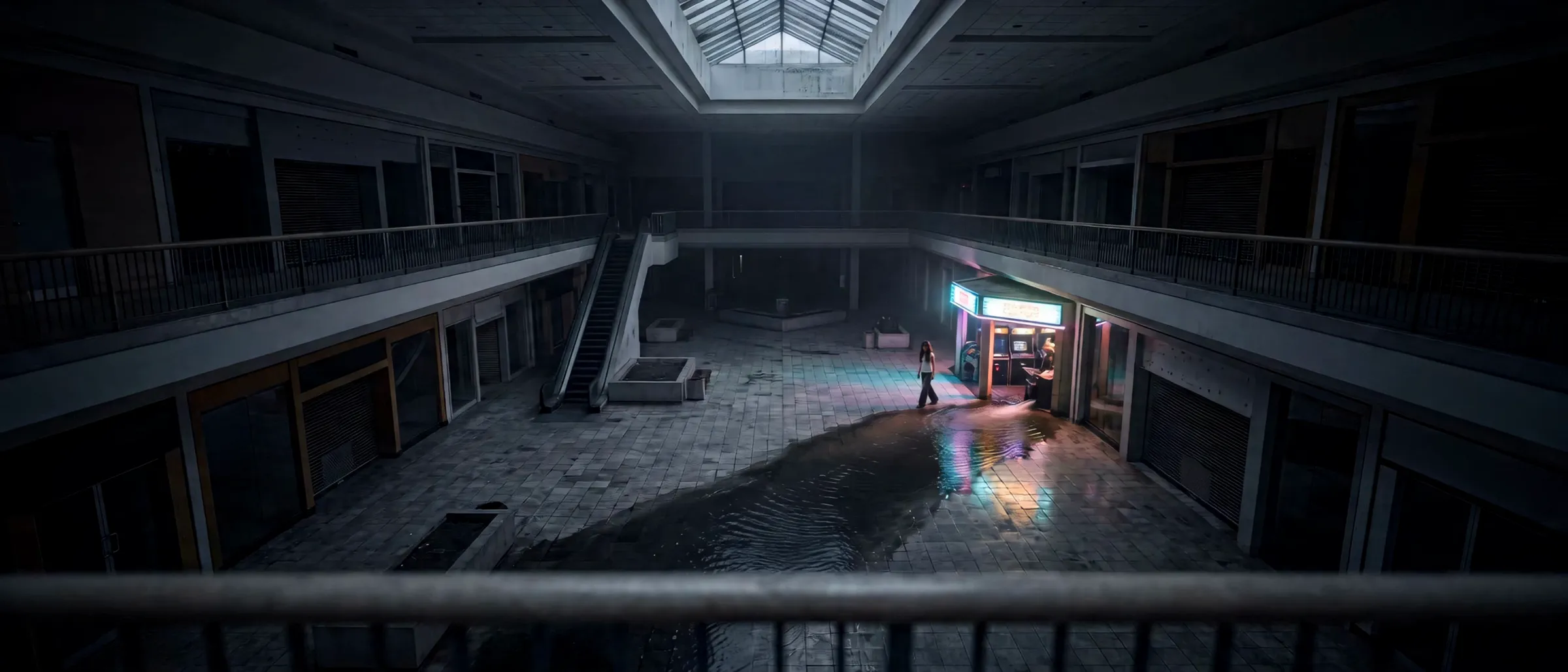
People love to talk about AI slop, and I hate AI slop too, but I don’t think AI has a monopoly on it. Slop has been around as long as humans have. Slop starts with the human: it’s a lack of intent and a lack of effort. We never wanted to wing this or hand our creative control to a machine. We wanted to use AI as an instrument that we surgically controlled, and that’s what we did.
I wrote all the music myself. I’ve been writing for decades, and for the last ten years I’ve leaned into cinematic, orchestral stuff, but I’d never scored a psychological thriller, and I genuinely didn’t know if I could pull it off. I told Alia as much. She looked at me and said, “Dad, I’m not just saying this because you’re my dad, but I know for sure you can do it.” The honest truth? I believed that she believed it. I still didn’t believe I could. I was going to try either way, but what she said gave me more confidence, and it was just heartwarming that my kid had my back like that. For the score I mostly put the orchestra down and leaned into electronics: mood, tension, a driving percussive pulse, with moments of sadness and nostalgia where the more traditional instruments come back in, some violins. Omnisphere did most of the heavy lifting. It’s not my best work, but I’m happy with the way it turned out.
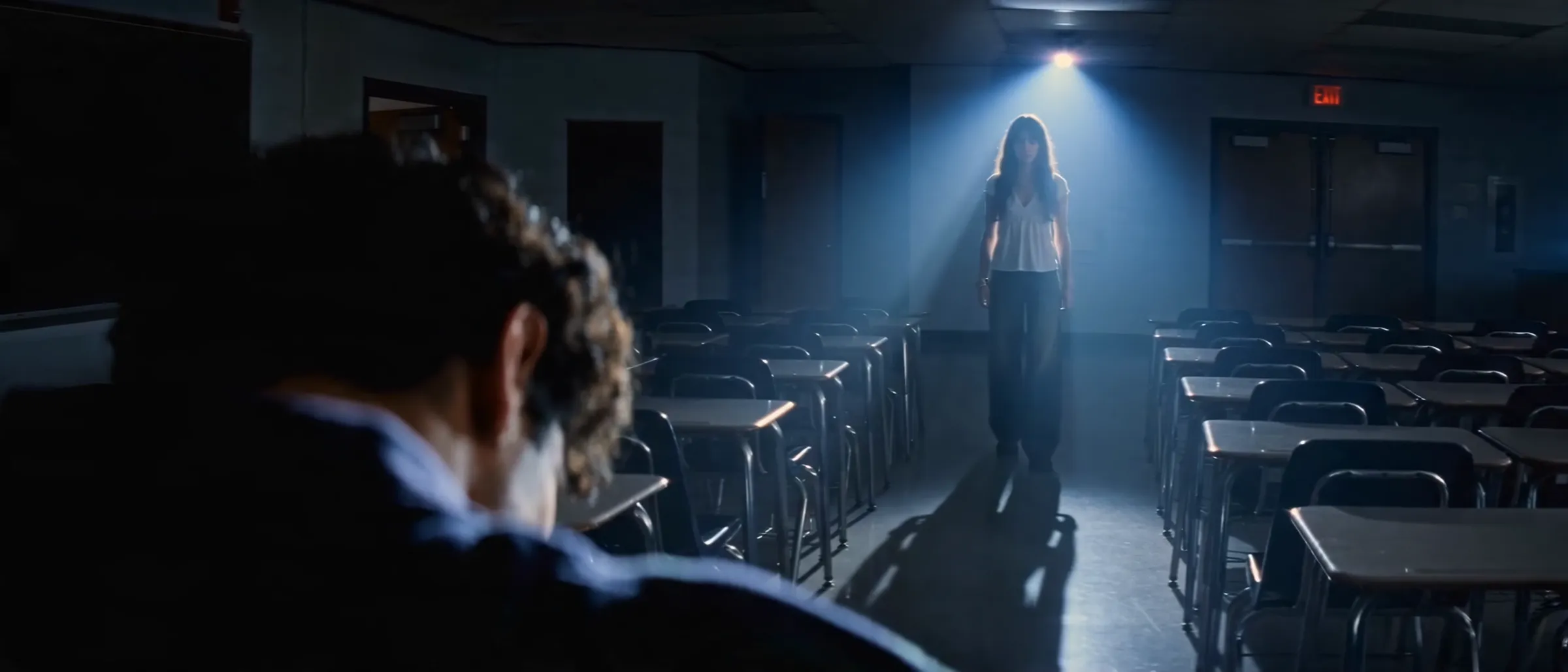
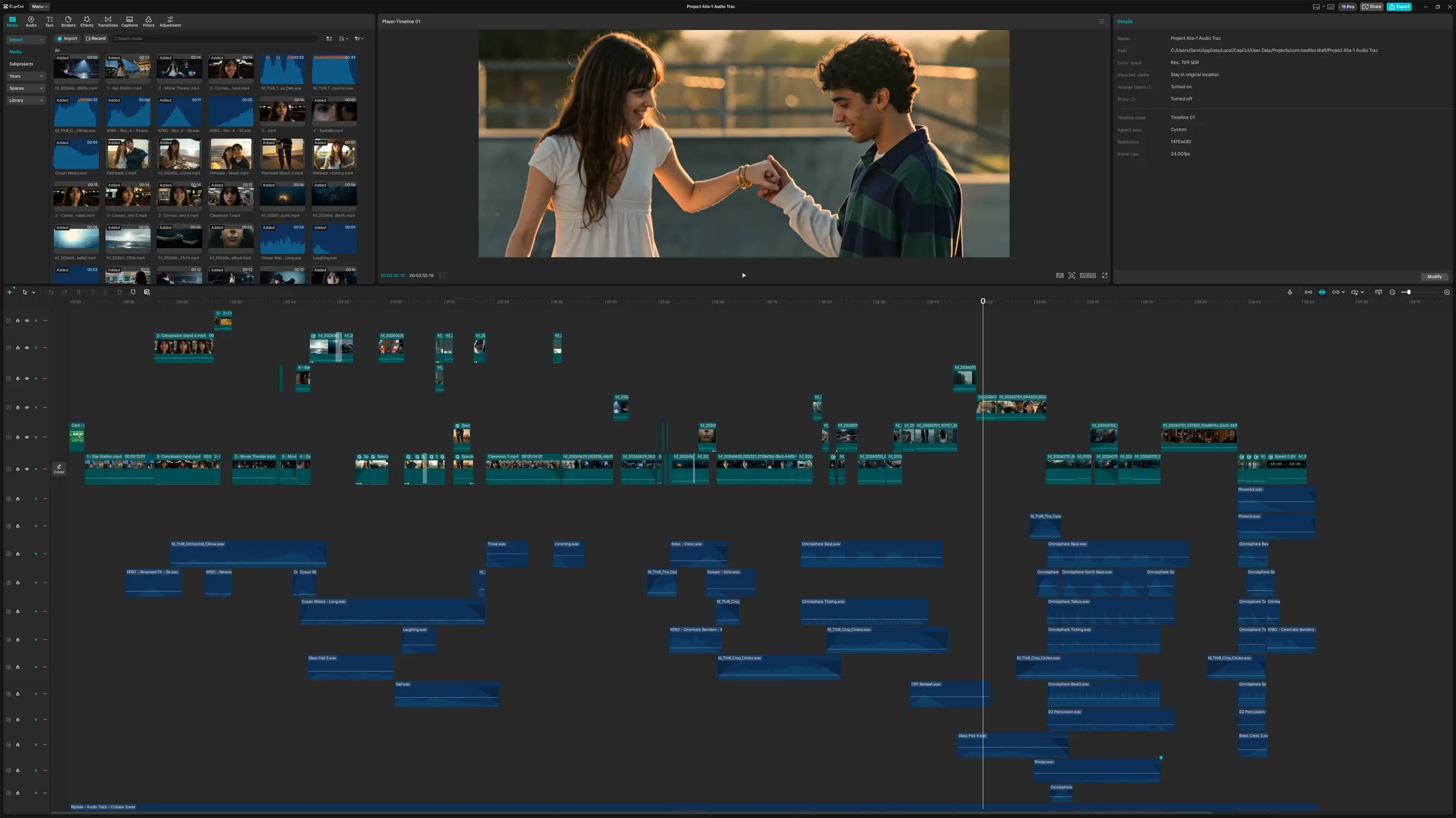
I figured I’d edit the whole thing myself, until I noticed Alia kept having ideas that just elevated scenes. So I pulled up a chair for her next to me and we edited together. She has this uncanny instinct for taking two shots that have no business next to each other and joining them so they fit, unsettling and perfect at the same time. One example: we had Jackie running toward a soaking-wet Elias in the classroom, and originally that cut to her sprinting through a subway car, and then to Elias vanishing while she grabs a pole to keep from falling. Alia said kill the running shot, go straight from her running at him in the classroom to him disappearing and her bracing herself. It made the whole sequence grittier, more visceral. When we made that cut and watched it back, we both literally jumped out of our chairs. And then we found a better home for the running shot later, with her looking around confused about where he went. Her edit didn’t just look better; it made the story hang together.
Here’s something we did on purpose: while we were editing, we held ourselves back from ever watching the whole thing start to finish. We saw individual sequences a hundred times, but never the full arc, because we wanted that first complete watch to actually hit us. When you’re deep in the minutia for weeks, you lose sight of the thing as a whole. So the night we finally sat and watched it beginning to end for the first time, and the credits came up, we just sat there quiet for a second. Then Alia smiled and said, “This is actually really good,” almost surprised. The jigsaw puzzle was finally complete, we could see the full picture, and we loved it. We went back and tweaked plenty afterward, of course. But that first watch felt great.
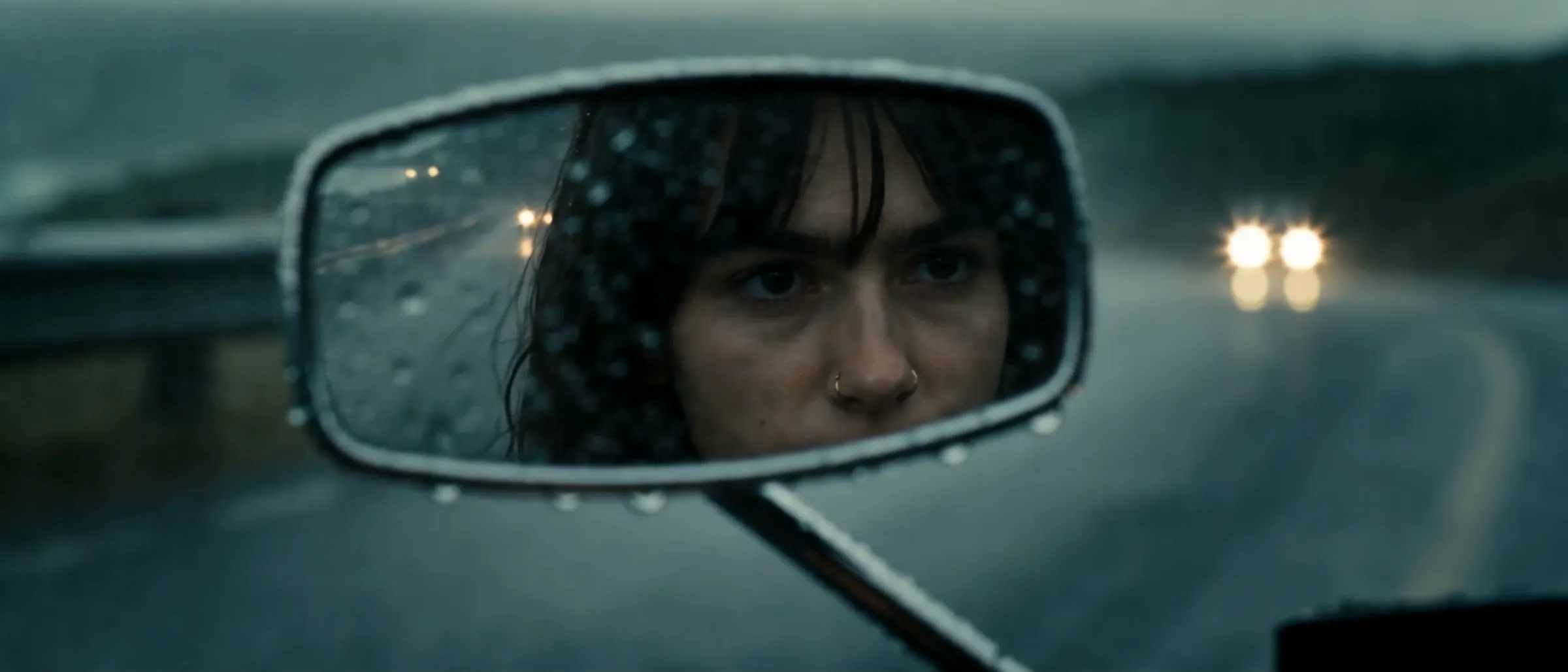
There’s one more thing, and I feel a little pretentious even saying it. Somewhere in the middle of all those late nights, I realized I’d started to feel for Jackie. Not the way you feel for a character in a movie you’re watching. That’s real too, but somebody else made that character and an actor played them. I made this one. We made her. And on some late Saturday-night session it hit me as genuinely surreal to feel real empathy, over loss, for a character I created out of nothing. I think this must be what authors and screenwriters feel when they connect with the people they write. Which is where the pretentious part comes in: they spend years on it, and we did this in a few weeks. But it was still there, and I wasn’t expecting it.
Anyway. I had a fantastic time making this with Alia, and we’re both really happy with how it turned out. That’s the part I’ll keep.